| Quick answer: What causes a disease outbreak?A disease outbreak happens when germs — usually viruses or bacteria — spread faster than normal in a group of people, often because of close contact, dirty water, poor hygiene, or a new germ that bodies have not met before. |
One day everything is fine. The next, the local news is talking about a flu outbreak at the nearest school or a stomach bug sweeping through a local care home. Outbreaks seem so sudden, but there is almost always a chain of events that leads to one. Interrupting that chain is the key to preventing one, as both an individual and a community.
This guide breaks down the real causes of outbreaks in very simple terms, and gives practical advice based on those that have been proven to stop them, from trusted sources such as the CDC and WHO.
What Exactly Is a Disease Outbreak?
Using simple language, an outbreak may be described as the increased occurrence of a disease in numbers too large to be expected within a certain field. It may take place anywhere, in one workplace or in several countries, depending on the scale of an outbreak. Regardless of its size, an outbreak is characterized by a sudden rise of diseases beyond the baseline.
The baseline is considered to be a threshold above which a number of diseases in a population becomes “high” and requires appropriate interventions by health authorities. In other words, it is a level that should not be exceeded.
The Main Causes of a Sudden Outbreak
Outbreaks rarely have just one cause. Usually, a few things line up at once. Here are the most common triggers.
1. A Germ Spreads More Easily Than Before
Sometimes a virus or bacteria changes slightly, making it better at jumping from person to person. This is one reason flu strains change every year, and why new variants of a virus can cause fresh waves of illness even in places that had already dealt with it once.
2. Close Contact Between People
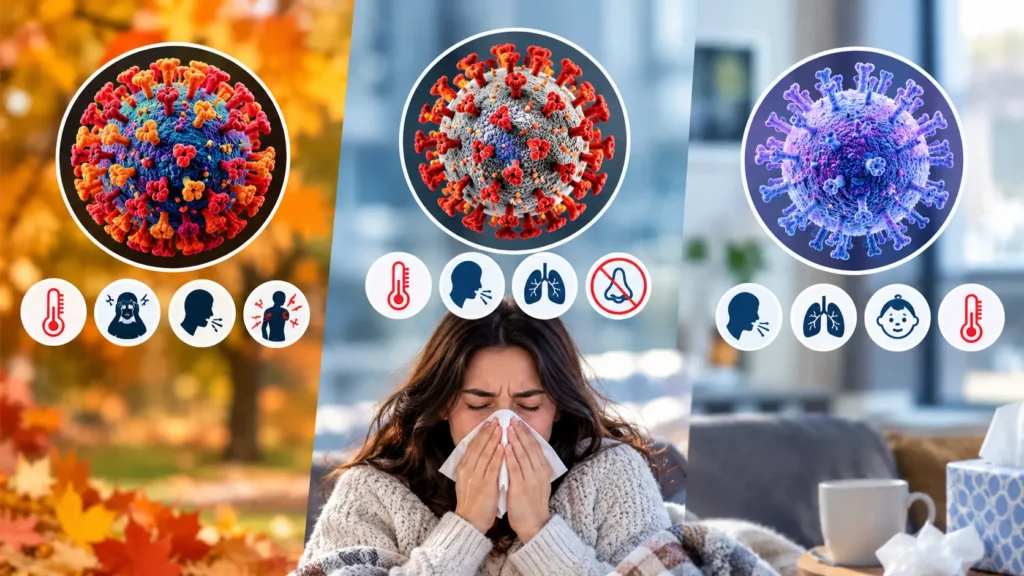
Crowded spaces — schools, buses, offices, care homes — are perfect conditions for germs to travel. Someone coughs, sneezes, or simply breathes near others, and the illness passes along. This is exactly why schools and workplaces often see outbreaks of colds, flu, or stomach bugs during busy seasons.
3. Dirty Water or Unsafe Food
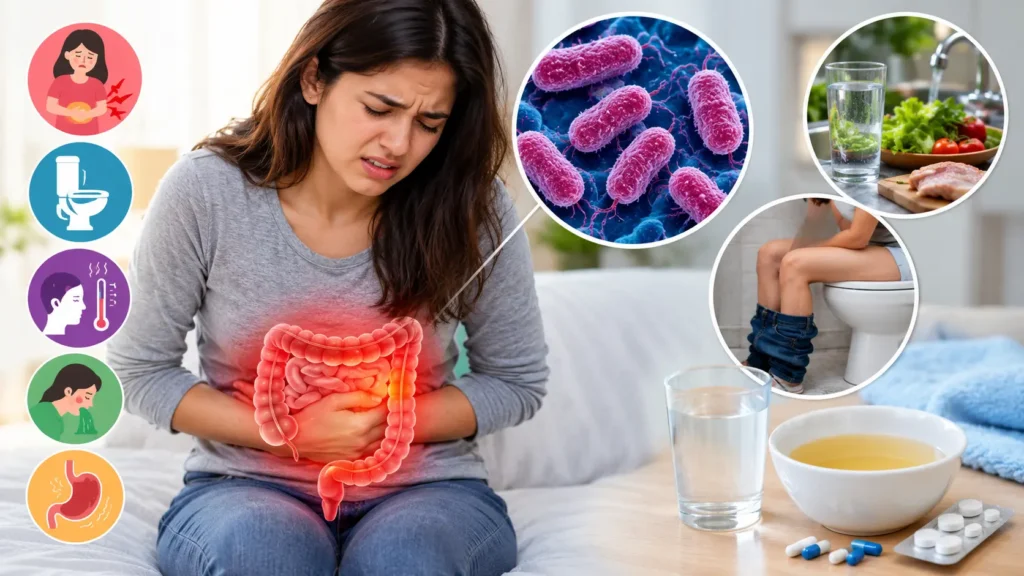
Many outbreaks start with something as simple as contaminated water or undercooked food. Bacteria like salmonella or E. coli can spread quickly through a single batch of food served to many people, which is why restaurant and food-safety outbreaks often affect dozens of people within days.
4. Germs Jumping from Animals to Humans
Some of the biggest outbreaks in history started when a germ that normally lived in animals found a way into humans. This is called spillover. Clearing forests and getting closer to wild animals increases the chances of this happening, since it brings people nearer to animals that carry germs humans have not met before.
5. Low Hygiene or Poor Handwashing
It sounds almost too simple, but poor handwashing is one of the biggest reasons outbreaks spread. Some viruses can survive on door handles, stair rails, and shared surfaces for hours. One person with imperfect handwashing habits can quietly pass an illness to dozens of others without anyone realising it.
6. Low Vaccination Rates
When enough people in a community are vaccinated against a disease, it struggles to spread — this is sometimes called herd protection. If vaccination rates drop in a town or school, diseases that were once rare, like measles, can suddenly reappear and spread fast.
How Can Communities Stay Safe? Practical Steps That Work
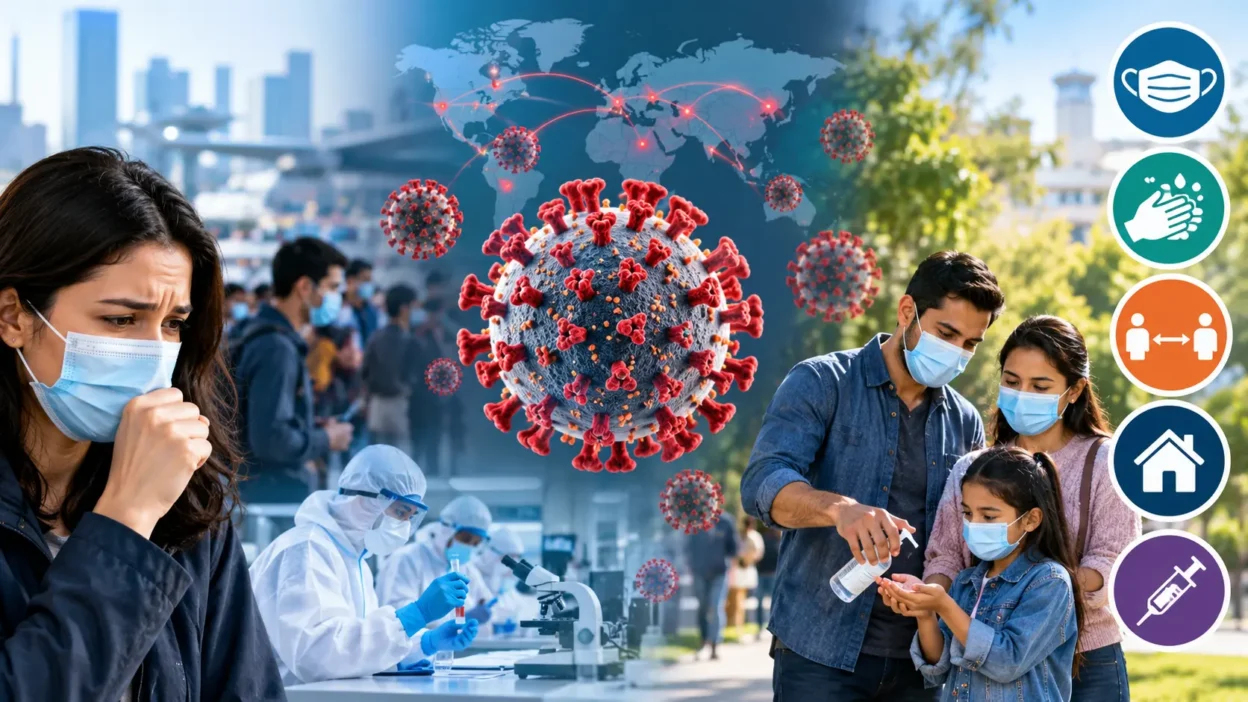
The good news is that the same habits that stop a cold from spreading can also stop a serious outbreak. None of these require special equipment or training.
- Wash hands properly and often, especially before eating and after using shared surfaces
- Stay home when feeling unwell, rather than pushing through at work or school
- Keep vaccinations up to date for yourself and your family
- Cook food thoroughly and store it at safe temperatures
- Use clean, safe drinking water, and report any water quality issues quickly
- Keep some distance from wildlife, and avoid handling sick or dead animals
- Follow guidance from local health departments during an active outbreak
- Share accurate information, and avoid passing on rumours or unverified claims
Why Fast Action Matters
Health officials often say that outbreaks are a race against time. The earlier healthcare workers identify strange patterns of disease, the sooner they can track down the source of the outbreak and stop it from spreading. That is why doctors and labs report strange clusters to their local health departments. It is often that kind of quick action that prevents a local outbreak from becoming something much, much worse.
Communities can also help. Being honest about symptoms and how much time health officials spend treating you can go a long way toward helping them respond more quickly and effectively.
A Simple Way to Remember It
Outbreaks usually need three things to line up: a germ that can spread, a way for it to reach people, and enough contact between people for it to travel. Remove any one of those three, and the outbreak loses momentum. That is really the whole idea behind handwashing, vaccination, food safety, and staying home when sick — each one removes a piece of that chain.
Quick Answers to Common Questions
Could an outbreak start from only one person? An infected person, who is also referred to as a source case, can lead to a high number of cases in an area where people are highly susceptible.
Are all outbreaks hazardous? Most of the time, outbreaks are not severe, for example, a common stomach bug that spreads among students at school, but they usually require some form of treatment.
How do you know there is an outbreak? When there is an aberration, or unusual rise in the number of occurrences of a problem, from a baseline level that is normal for a certain area.
What is the one thing everyone can do to prevent an outbreak? Washing hands and staying home when they are sick are the two most effective and inexpensive ways any person can help prevent the spread of diseases.
Final Thoughts
Sudden outbreaks can feel unpredictable, but the causes behind them are well understood, and so are the fixes. Clean hands, safe food and water, up-to-date vaccinations, and quick reporting of unusual illness are simple habits with a real impact. Communities that practise these basics consistently are the ones that weather outbreaks with the least disruption.
Helpful Resources
- CDC — Emergency Preparedness and Response for Infectious Disease Outbreaks — https://www.ruralhealthinfo.org/toolkits/emergency-preparedness/4/infectious-disease-outbreaks
- CDC — A Public Health Approach to Outbreak Investigations — https://www.cdc.gov/urdo/php/about/index.html
- CDC Emerging Infectious Diseases Journal — Preventing Pathogen Spillover — https://wwwnc.cdc.gov/eid/article/29/3/22-1079_article