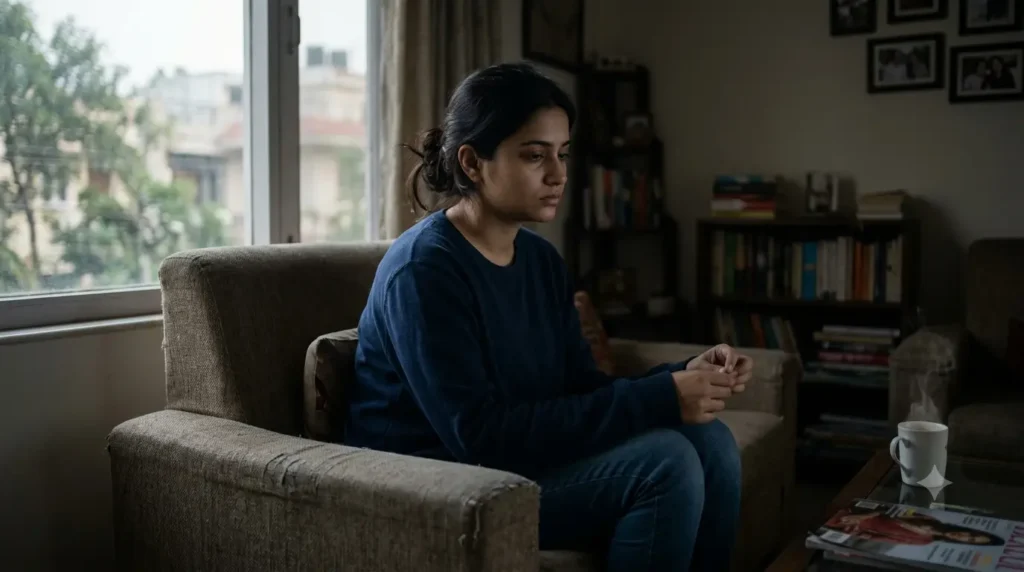
Have you ever felt your heart pound in your chest before an important meeting, or found yourself lying awake at 2 a.m. dwelling on a conversation that happened three days ago? At some point in all of our lives, we’ve experienced anxiety. While occasional anxiety is normal and healthy, persistent, frequent feelings of worry can become problematic, as well as physically taxing on your body. It’s important to spot the early signs and symptoms of anxiety, in order to combat them as soon as possible.
Quick Answer: What Are the Early Signs of Anxiety?
Quick Answer: The early signs of anxiety usually fall into two groups: physical (racing heart, tight chest, upset stomach, tiredness) and emotional (constant worry, irritability, trouble focusing, feeling on edge). If these signs turn up most days for two weeks or more, it’s worth talking to a doctor.
What Is Anxiety, Really?
Anxiety is the body’s natural alarm. It is designed to protect you. When you are in danger, whether it is a bear attacking or your boss is yelling at you, your brain triggers special hormones. Your heart rate quickens, your muscles tighten, and you are prepared to either fight or run. This is fine and good when you are in true danger, but what happens when this alarm is constantly ringing, or goes off when you are not really in danger? According to the National Institute of Mental Health (NIMH), anxiety becomes a disorder when it begins to interfere with everyday life and is persistent.
Physical Signs of Anxiety You Might Notice First
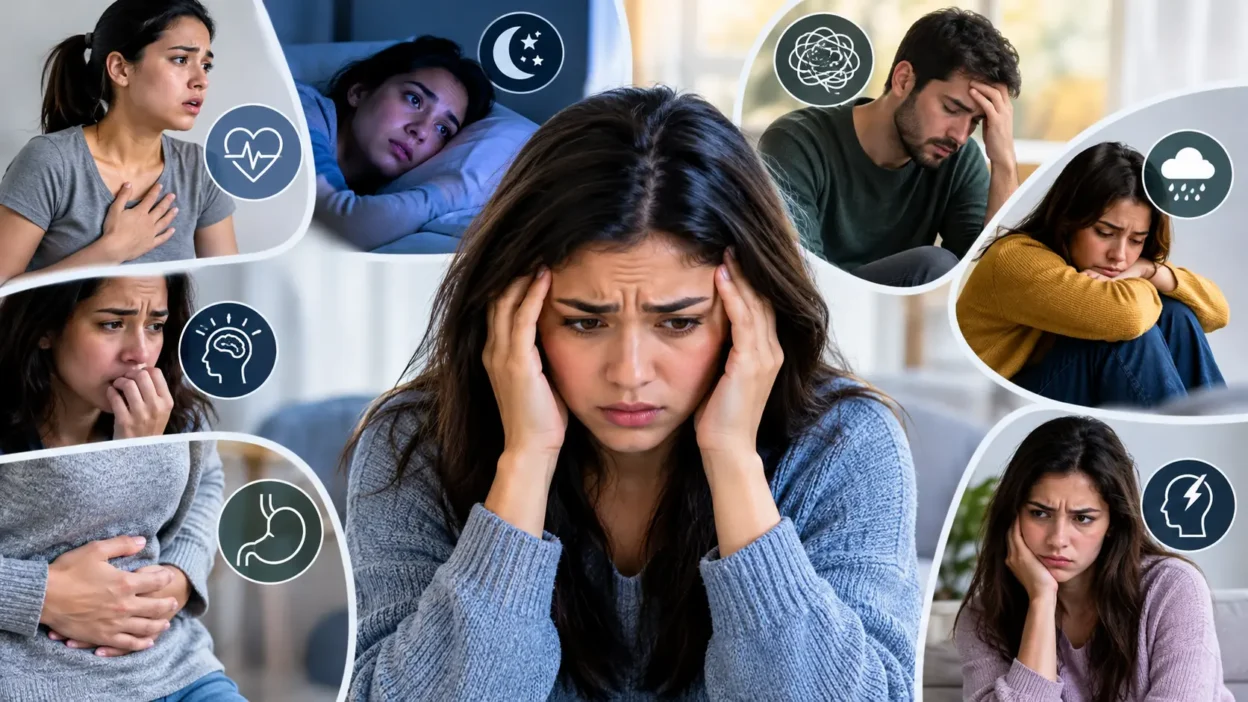
Anxiety doesn’t only live in your head. Often, the body speaks up before the mind does. Common physical signs include:
- A racing or pounding heart, even when you’re just sitting still
- Sweating, shaking, or feeling shaky for no clear reason
- Tight chest or shortness of breath
- An upset stomach, nausea, or a “nervous tummy”
- Headaches or unexplained muscle tension, especially in the neck and shoulders
- Trouble falling asleep or waking up tired no matter how long you slept
- Feeling exhausted even after a full night’s rest
Many people visit their doctor for these symptoms again and again before anyone mentions anxiety. If tests keep coming back fine but you still feel unwell, anxiety is worth asking about.
Emotional and Mental Signs of Anxiety
Alongside the physical symptoms, anxiety changes how you think and feel. Watch out for:
- Worrying about things that haven’t happened yet, or that are out of your control
- Feeling irritable or snapping at people over small things
- Trouble concentrating, or your mind going blank
- A constant sense of being “on edge,” like something bad is about to happen
- Avoiding places, people, or tasks that make you anxious
- Feeling restless, like you can’t sit still or switch off
A single bad day doesn’t mean much. But when these feelings become your normal, that’s a pattern your body is trying to tell you about.
Why These Early Signs Matter
Recognizing anxiety triggers early is much like recognizing a small leak in a boat; if ignored, it can lead to more severe problems. Anxiety, if left untreated, can lead to a self-perpetuating cycle in which one is constantly on edge and agitated, resulting in poor sleep, poor diet, and increased fatigue and irritability, which in turn contribute to further anxiety. According to the National Alliance on Mental Illness (NAMI), early intervention and simple coping strategies could prevent these cascading effects. I believe identifying triggers and symptoms is vital since it helps you regain control of your life.
When Should You See a Doctor or Therapist?
Quick Answer: See a doctor or therapist if anxiety symptoms last most days for two weeks or longer, or if they’re getting in the way of work, sleep, relationships, or daily tasks.
Occasional nerves before a job interview or exam are perfectly normal and will almost certainly pass. However, if feelings of worry follow you constantly, if there are physical symptoms, or if you find yourself avoiding things due to your fears, then you should speak to a GP, therapist or counsellor. They will be able to help you identify what the problems may be, and what the solutions could be. This may include medication or a change in lifestyle.
Simple Ways to Manage Early Anxiety
You don’t need a perfect routine to start feeling steadier. A few small habits can make a real difference:
- Slow your breathing. Try breathing in for four counts, holding for four, and out for four. It calms the nervous system fast.
- Move your body. A short walk can lower stress hormones and clear your head.
- Cut back on caffeine. It can make a racing heart and jitteriness worse.
- Write it down. Getting worries out of your head and onto paper makes them feel more manageable.
- Protect your sleep. Anxiety and poor sleep feed each other, so a steady bedtime routine helps both.
- Talk to someone you trust. Saying it out loud often takes away some of its power.
Frequently Asked Questions
What is usually the very first sign of anxiety?
For most people, it’s either a physical sign (racing heart, stomach upset) or constant worry that’s hard to switch off. It’s different for everyone.
Can anxiety cause physical pain?
Yes. Muscle tension from anxiety commonly causes headaches, neck and shoulder pain, and stomach discomfort.
Is anxiety the same as stress?
Not quite. Stress usually has a clear cause and fades once it’s resolved. Anxiety can linger even when there’s no obvious trigger.
Can anxiety go away on its own?
Mild anxiety sometimes eases with rest, better sleep, and stress management. Ongoing anxiety that affects daily life usually needs proper support.
Should I be worried if I have these symptoms?
Noticing symptoms isn’t a reason to panic — it’s useful information. If they’re frequent or intense, speak to a healthcare professional for a proper assessment.
Helpful Resources
- National Institute of Mental Health – Anxiety Disorders
- NIMH – Generalized Anxiety Disorder
- NAMI – Anxiety Disorders
- Anxiety & Depression Association of America (ADAA)
This article is for general information only and isn’t a substitute for professional medical advice. If anxiety is affecting your daily life, please speak with a doctor or mental health professional.