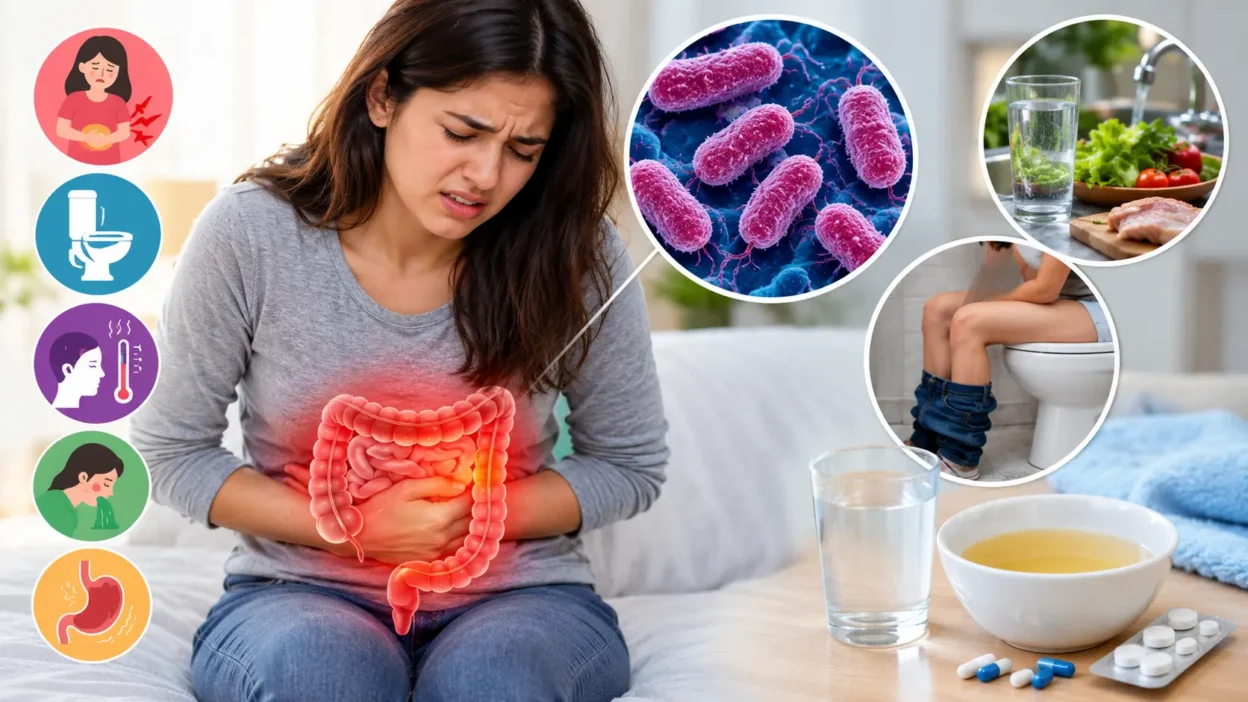
Sudden occurrence of diarrhea, an abdominal cramp, and a fever that doesn’t want to go away is a miserable trio, and it is known as shigellosis. This infection affects about 450000 people in the United States annually, but most of them have never even heard of it before searching for it on Google at 2 am. Here is a list of facts about this disease.
What Is Shigellosis?
Quick answer: Shigellosis is a bacterial gut infection caused by Shigella bacteria. It leads to diarrhoea, often bloody, along with fever and stomach pain, and it usually clears up within a week.
Final: Doctors sometimes refer to dysentery as bacillary dysentery. It is one of the most common causes of diarrheal disease worldwide, affecting the world’s children most severely. The bacteria irritate and inflame the lining of the intestines, causing cramping and an urgent need to toilet, even if there is nothing left to pass.
What Causes Shigellosis?
Shigella bacteria spread through contact with infected poo — that’s the blunt truth of it. You don’t need much exposure either; swallowing even a tiny amount can make you sick, far less than with most other foodborne bugs.
Common ways people pick it up include:
- Eating food or drinking water contaminated with the bacteria
- Touching surfaces, nappies, or toys handled by someone who’s infected, then touching your mouth
- Swimming in contaminated water, including pools and lakes
- Close contact or sex with someone who has shigellosis
- Poor handwashing after using the toilet, especially in childcare settings
Outbreaks tend to cluster in daycare centres, nursing homes and among international travellers, because the bacteria thrive wherever hygiene routines break down even slightly.
Common Symptoms of Shigellosis
Quick answer: The main symptoms are diarrhoea (sometimes bloody), fever, stomach cramps, and a constant feeling of needing the toilet. Symptoms usually start one to two days after exposure and last five to seven days.
Here’s a simple breakdown of what mild versus more serious cases tend to look like:
| Symptom Severity | What You Might Notice |
| Mild | Watery diarrhoea, mild cramps, low-grade fever, tiredness |
| Moderate | Bloody or mucus-streaked stool, persistent cramping, fever above 101°F |
| Severe | Signs of dehydration, high fever, seizures in young children, severe abdominal pain |
Not everyone gets every symptom, and some people carry the bacteria without feeling ill at all — though they can still pass it on to others, which is part of why it spreads so easily in households and schools.
How Is Shigellosis Diagnosed?
A doctor will usually ask about your symptoms and recent exposures — travel, childcare contact, or anyone else at home with similar symptoms. To confirm the diagnosis, they’ll typically request a stool sample, which is tested in a lab for Shigella bacteria.
This matters for one practical reason: Shigella has grown increasingly resistant to common antibiotics in recent years, so lab results help your doctor pick a treatment that will actually work, rather than guessing.
Treatment Options for Shigellosis
Quick answer: Most cases resolve on their own within a week with rest and fluids. Antibiotics are reserved for severe cases, people with weakened immune systems, or to help stop the spread during an outbreak.
Home Care for Mild Cases
If your case is mild, the treatment is almost boringly simple:
- Drink plenty of fluids — water, oral rehydration solutions, or diluted juice
- Rest as much as you can
- Avoid anti-diarrhoeal medicines like loperamide, which can actually trap the bacteria in your gut and make things worse
- Stick to bland, easy foods once your appetite returns
When Antibiotics Are Needed
For severe cases of infection, or for children, the elderly, pregnant women, or people with compromised immune systems, a doctor may prescribe an antibiotic such as ciprofloxacin or azithromycin. When used correctly, antibiotics can shorten an infected person’s illness by about two days and reduce the length of time that they’re contagious. Never take leftover antibiotics from a previous infection, since resistant strains of bacteria are common enough that an ineffective drug won’t do anything to treat your infection.
Severe Dehydration
If you can’t keep fluids down, or you’re showing signs of serious dehydration — dizziness, very dark urine, or not urinating at all — you may need IV fluids in a hospital setting. Don’t wait this one out at home, particularly with young children or older adults.
Who’s at Higher Risk?
Children under five are the most commonly affected group, largely because of close contact in daycare and nappy-changing. Beyond that, higher risk includes:
- People travelling to areas with poor sanitation
- Men who have sex with men (sexual transmission is a recognised route)
- People with HIV or other conditions that weaken the immune system
- Anyone living in crowded or communal settings, like shelters or care homes
How to Prevent Shigellosis
Good hygiene practices are the best way to prevent the spread of Shigella. Washing hands with soap and water after going to the bathroom, after changing a diaper, and before preparing or eating food may prevent the spread of infection, while hand sanitizer is not as effective. Also, if you or your partner were diagnosed with Shigella, it is better to avoid sex for two weeks after symptoms have gone away, as the infection can still be present and transmitted even when someone does not show symptoms. Moreover, when swimming in a pool or in natural waters, you should not swallow water, and when traveling in developing countries, pay attention to food and water sanitation and hygiene practices.
When to See a Doctor
Seek medical attention if your diarrhoea occurs with a high fever, blood in the stools, signs of dehydration, or if it persists for several days. The same applies to children, pregnant women, the elderly, and individuals with compromised immune systems; shigellosis is generally not serious in healthy young adults but can be life-threatening in these populations and should not be taken lightly.
Frequently Asked Questions
Is shigellosis contagious?
Yes, very. It spreads easily through contact with infected stool, contaminated food or water, and close personal contact, even after symptoms have improved.
How long does shigellosis last?
Most cases last five to seven days. Mild cases can clear up sooner, while more severe infections may take a few weeks for bowel habits to fully return to normal.
Can shigellosis go away without treatment?
Yes. Most healthy people recover without antibiotics, using only rest and fluids. Antibiotics are mainly used for severe cases or to protect vulnerable groups.
Is shigellosis the same as food poisoning?
Not exactly. Shigellosis is one specific cause of food-borne illness, but food poisoning is a broad term that includes many other bacteria, viruses and toxins.
Can you get shigellosis more than once?
Yes. Having shigellosis once doesn’t give you long-term immunity, and there are several different strains of Shigella bacteria you can catch.
What foods are most linked to shigellosis outbreaks?
Raw produce, unwashed salads, and foods handled by an infected person without proper handwashing are common culprits, along with contaminated water.
Shigellosis is unpleasant but, for most people, manageable at home with fluids and rest. The real priority is catching the warning signs that mean you need medical help — dehydration, blood in the stool, or symptoms in a young child or older adult — and acting on them quickly rather than waiting it out.