Looking for a hurricane tracker today? Here is the short answer. As of October 7, 2026, forecasters are watching a storm system in the Gulf of Mexico that could reach the northern Gulf Coast this weekend. No Atlantic hurricane has formed yet this year, but that can change fast. Here is what is happening, where to track it, and what to do now.
| Quick answer: Yes, there is a possible threat. A Gulf disturbance called Invest 92L is expected to become Tropical Storm Isaias. Some forecasts show it reaching the coast from Louisiana to the Florida Panhandle around Friday night. Heavy rain and flooding are the main worries. Check the National Hurricane Center for official updates. |
Is There a Hurricane Threat in the US Today?
Yes, but the details are still uncertain. The National Hurricane Center (NHC) is tracking a messy area of storms in the southwestern Gulf of Mexico, labeled Invest 92L. Forecasters say it will likely become a tropical storm. If it does, it will be named Isaias.
Where Could the Gulf Storm Go?
Most computer models point to the northern Gulf Coast, anywhere from eastern Louisiana to the western Florida Panhandle. Local forecasters say Louisiana could see impacts as early as Friday night. Mississippi and Alabama may feel it too.
How Strong Could It Get?
That’s the 64 dollar question, there are two schools of though here, some people are predicting a hurricane, while others say that wind shear, which is winds that tear storms apart, will keep it at tropical storm strength, either way, heavy rains are expected because of the moister than normal air flowing north into the Gulf Coast, which means that widespread flooding may be an even bigger threat than high winds.
One more thing: this is a snapshot from October 7. Storm tracks and strength change by the hour, so always check the latest NHC update.
Why Has This Hurricane Season Been So Quiet?
A very strong El Nino in the Pacific is the culprit. The warming of ocean temperatures generates wind shear over the Atlantic, making it difficult on storm formations. There was not a single Atlantic hurricane in September, making it the first September without hurricanes in 32 years. Colorado State University lowered its projections to nine named storms, four hurricanes, one of them major, by July.
Gulf waters remain warm in October, so a late bloomer could still grow strong.
Best Hurricane Trackers to Use Today
Stick with official sources. They are free, fast, and built for emergencies.
| Tracker | Best for | Link |
|---|---|---|
| National Hurricane Center | Official forecasts, the cone, watches, warnings | nhc.noaa.gov |
| National Weather Service | Alerts for your city or county | weather.gov |
| Ready.gov | Checklists to prepare your home and family | ready.gov/hurricanes |
| Local TV and radio | Evacuation orders and road closures | Your local station |
Tip: Skip social media posts with scary model maps. Those “spaghetti” lines are raw computer guesses, not official forecasts.
How Do You Read a Hurricane Tracker?
Hurricane maps use their own labels. Here is what the main ones mean.
| Term | What it means |
|---|---|
| Invest | An area the NHC is studying. It is not a named storm yet. |
| Tropical depression | A storm system with winds up to 38 mph. |
| Tropical storm | Winds of 39 to 73 mph. It gets a name. |
| Hurricane | Winds of 74 mph or more. |
| Watch | Dangerous conditions are possible, usually within 48 hours. |
| Warning | Dangerous conditions are expected, usually within 36 hours. |
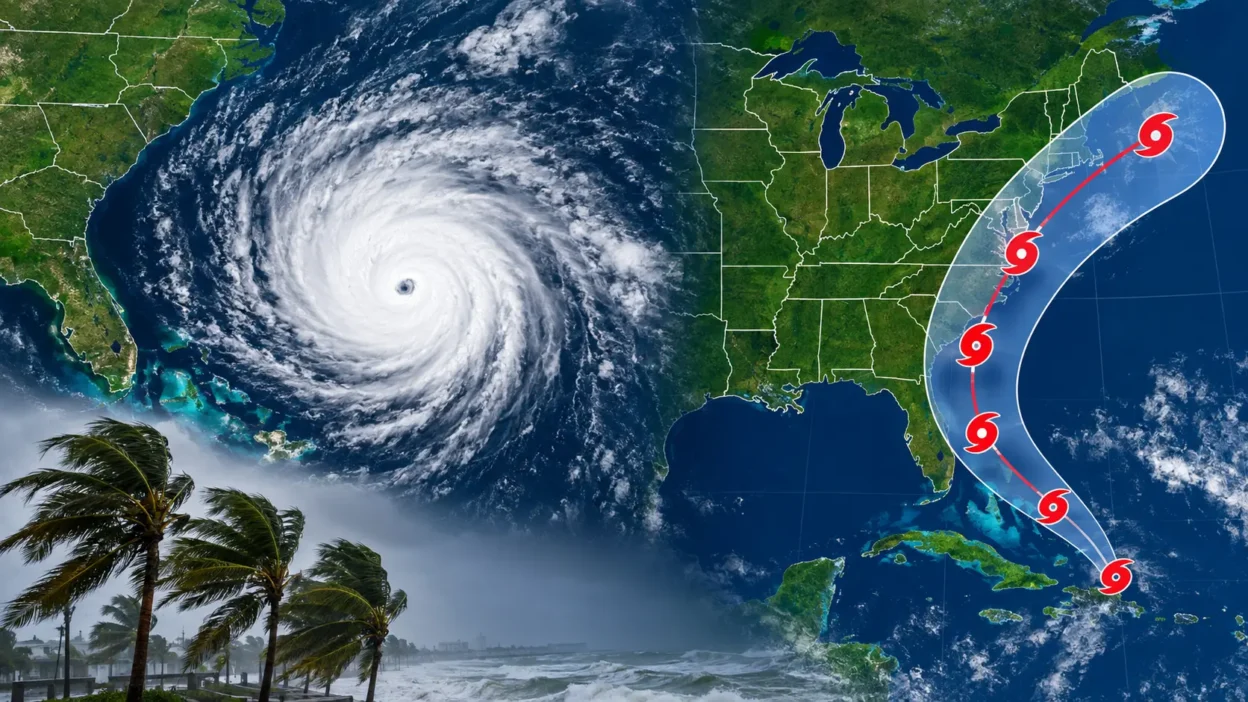
You will also see a white and gray “cone” on the map. It shows where the center of the storm could travel. It does not show how big the storm is. Rain, wind, and flooding often reach well outside the cone, so do not relax just because your town sits at the edge.
When Is Hurricane Season, and Is It Over?
The Atlantic hurricane season runs from June 1 to November 30. While the most active period is between mid-August and mid-October, it does not mean that the hurricane season is over. According to the data from an average year between 1991 and 2020, there used to be 14 named storms, of which 7 would become hurricanes, while 3 of them would be strong enough to be called major hurricanes. This year, the number of storms was significantly lower than usual.
What Should You Do Right Now if You Live on the Gulf Coast?
Do not wait for the storm to be named. A few simple steps now save stress later.
- Find your evacuation zone and route. Your county emergency site will list it.
- Stock at least three days of water, about one gallon per person per day, plus food that does not need cooking.
- Fill your gas tank, charge phones and power banks, and get cash.
- Pack prescriptions, important papers, and pet supplies in one bag.
- Turn on emergency alerts on your phone and follow your local officials.
- Never drive through floodwater. Even a foot or two of moving water can carry a car away.
Frequently Asked Questions
Is there a hurricane in the US today?
As of October 7, 2026, no hurricane has hit the US. Forecasters are tracking a Gulf of Mexico system, Invest 92L, that could become Tropical Storm Isaias and approach the northern Gulf Coast around Friday night. Check the National Hurricane Center for live updates.
What is the best hurricane tracker today?
The National Hurricane Center at nhc.noaa.gov is the best choice because it issues the official forecasts, watches, and warnings. Pair it with weather.gov for alerts specific to your county.
What does “Invest” mean on a hurricane tracker?
Invest is short for “investigation area.” It is a cluster of storms the NHC is studying. It is not yet a tropical depression or tropical storm, and it may never become one.
What is the difference between a hurricane watch and a warning?
A watch means hurricane conditions are possible in your area, usually within 48 hours. A warning means they are expected, usually within 36 hours. Finish your preparations at the watch stage.
When does hurricane season end?
The Atlantic hurricane season runs from June 1 to November 30. Most activity happens between mid-August and mid-October, but late-season storms in the Gulf and Caribbean do happen.
Your Next Step
Bookmark the National Hurricane Center and check it at its regular update times: 5 AM, 11 AM, 5 PM, and 11 PM Eastern. If you live between Louisiana and Florida, review your plan today, not Friday.